Loading...
Serving Key West, FL and surrounding areas. (645) 300-7168
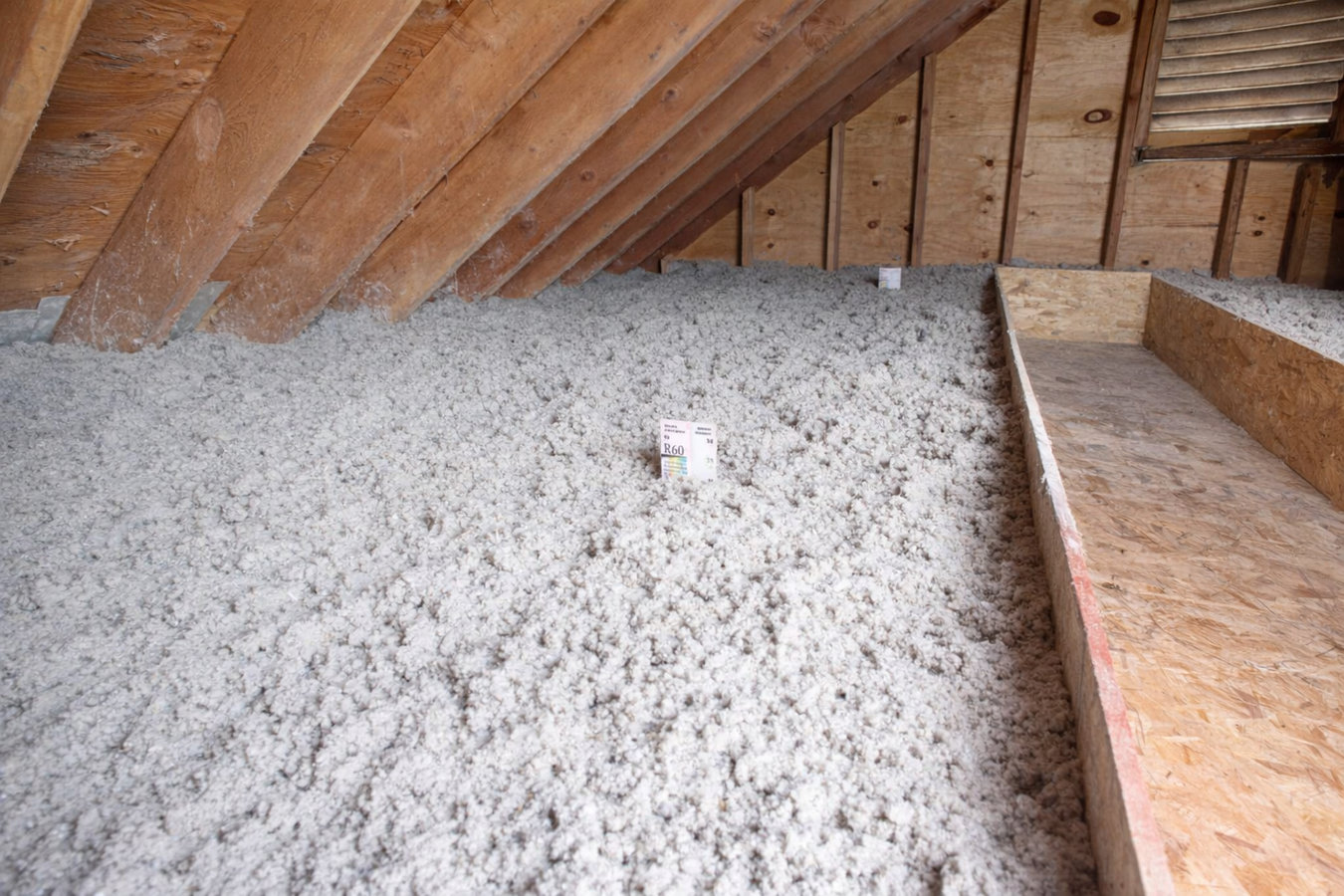
Your attic may have thin or missing coverage. Blown-in insulation fills the gaps so less heat pushes into your home and your AC finally gets a break.
Your attic may have thin or missing coverage. Blown-in insulation fills the gaps so less heat pushes into your home and your AC finally gets a break.
Blown-in insulation in Key West, FL uses loose fiberglass or cellulose material blown through a hose to fill your attic floor evenly, and most residential jobs finish in a single day. It reaches corners, gaps, and irregular spaces that rigid boards or batts cannot, giving you a more complete thermal barrier with fewer weak spots.
Key West homes deal with heat and humidity every month of the year, not just summer. If you can see the wooden joists across your attic floor, your coverage is too thin for this climate. Heat is pushing straight through your ceiling into your living space, and your AC is compensating for it nonstop. Blown-in insulation is one of the most direct fixes for that problem - and it pairs well with a full home insulation assessment if you want to look at walls and other areas at the same time.
If your air conditioner seems to run all day without ever making your home feel truly comfortable, your attic insulation may be the culprit. In Key West's climate, a poorly insulated attic acts like a heat radiator directly above your living space, and no amount of AC can fully compensate. This is one of the most common complaints homeowners have before they discover their attic has little to no usable insulation.
If your electric bill has been climbing year over year and you have not added major appliances or changed your habits, heat gain through an under-insulated attic is a likely contributor. Key West homeowners pay some of the highest electricity rates in Florida, so even a modest improvement in attic insulation can show up meaningfully on your monthly bill.
If you peek into your attic and can clearly see the wooden beams running across the floor with only a thin layer of material between them - or nothing at all - your insulation is almost certainly below the level needed for South Florida's climate. Adequate insulation should be deep enough that the joists are buried and not visible from above.
Many of Key West's older Conch-style homes were built before modern insulation standards existed, and some have never had insulation added to the attic. If your home was built before the 1970s and you have never had an energy audit or insulation inspection, there is a reasonable chance your attic is significantly under-insulated by today's standards.
We install blown-in material in attics, enclosed wall cavities, and hard-to-reach spaces throughout Key West and the surrounding Keys. Before any material goes in, we walk your attic to measure existing coverage, check for moisture or ventilation issues, and confirm whether air sealing is needed first. If gaps are found around plumbing, electrical penetrations, or framing, those get sealed before we blow in new material - because adding insulation over a leaky air barrier leaves money on the table. When a complete solution makes sense, we can bundle blown-in work with a full attic insulation upgrade so both the air sealing and coverage depth are addressed in one visit.
We use fiberglass and treated cellulose materials suited to South Florida's heat and humidity. After installation, we place depth markers throughout the attic so you can verify coverage yourself at any time. For older Conch-style homes with shallow or irregular attic spaces, we bring experience with the access challenges and unusual framing those homes typically present - a contractor who has not worked in these homes before may miss areas or underestimate the labor involved.
The most common application - loose material blown evenly across your attic floor to raise coverage depth and reduce heat gain from above.
For walls that were never insulated, blown-in material can be installed through small holes that are patched afterward - no major wall demo required.
We seal gaps around pipes, wires, and framing before adding insulation, so you get the full benefit of the coverage you are paying for.
If your attic already has some coverage that is still in good shape, we can add blown-in material on top to bring it up to the depth this climate requires.
Most people think of insulation as something that keeps heat in during winter. In Key West, the bigger job is keeping heat out during the ten-plus months of warm weather. Without adequate attic insulation, radiant heat from your roof pours into your living space and forces your air conditioner to run far more than it should. That constant demand shows up on your Keys Energy bill every month. Blown-in insulation is one of the most effective ways to reduce that load without a major renovation, and it works inside your attic without touching anything visible in your home. We regularly serve homeowners in Big Coppitt Key and throughout the surrounding areas on projects exactly like this.
Key West's older housing stock creates specific challenges. Conch-style homes built in the late 1800s and early 1900s were not designed with modern energy efficiency in mind, and their shallow attic spaces and unusual framing make blown-in work more labor-intensive than a standard newer home. Salt air and coastal moisture also accelerate insulation degradation over time, which is why an inspection matters before you just add material on top of what is there. If the existing insulation has absorbed moisture, it needs to come out first. Homeowners in Stock Island and other communities close to the water deal with this frequently - we factor it into every estimate we give.
We will ask a few basic questions - your home's age, square footage, and any comfort or billing issues you have noticed. We typically respond within one business day to schedule an estimate visit. No commitment required at this stage.
A technician walks your attic, measures existing coverage, checks for moisture or ventilation issues, and looks for gaps that need sealing before new material goes in. In Key West's older homes, this step often turns up surprises - we tell you exactly what we find before any work is agreed to.
You receive a written estimate that breaks down materials, coverage depth, and total cost. This is the moment to ask questions - what depth will you reach, is air sealing included, does this project need a permit? A good contractor answers those questions without hesitation.
The crew runs a hose from the blowing machine into your attic and fills the space evenly. Typical install time is two to four hours. Before leaving, they walk you through the depth markers placed throughout the attic so you can verify coverage at any time.
Free estimate, no pressure. We will tell you exactly what your attic needs - and what it does not.
(645) 300-7168After installation, we place small plastic depth markers throughout your attic so you can verify coverage yourself at any point. This is industry best practice that some contractors skip - we do it on every job because it holds us accountable and gives you something concrete to show a home inspector or buyer.
We do not blow new material over damaged old insulation. Every job starts with an honest look at what is already there - moisture, mold, ventilation issues, and any gaps that need sealing first. If something needs to come out before we start, we tell you upfront. Adding insulation over a wet attic just traps the problem.
Conch-style homes and other historic structures common in Key West have shallow attic spaces, unusual framing, and access points that standard equipment cannot always reach. We have worked in these homes and know what to expect - tight spaces, irregular rafters, and the labor that goes with them.
You receive a written estimate that details materials, coverage depth, and total cost before any agreement is made. The North American Insulation Manufacturers Association recommends getting a detailed scope in writing - we provide it automatically. No surprise charges after the fact.
These are not abstract promises - they are the specific things that make a blown-in insulation job perform as expected years after it is done. When you know what to look for, the differences between a thorough job and a rushed one are easy to spot. We want you to be able to spot them. For guidance on what a complete attic insulation job should include, the U.S. Department of Energy maintains up-to-date coverage depth recommendations by climate zone.
A whole-home assessment that covers attics, walls, and other areas so nothing is missed.
Learn MoreDedicated attic upgrades including air sealing and coverage depth improvements tailored to Key West conditions.
Learn MoreFree estimate, written scope, no obligation. Call now or submit a request and we will be in touch within one business day.