Loading...
Serving Key West, FL and surrounding areas. (645) 300-7168
Key West Insulation is a locally owned insulation contractor serving Sugarloaf Shores, FL, providing spray foam insulation, attic insulation, and crawl space insulation for the elevated concrete block and canal-front homes of Sugarloaf Key. We serve homeowners throughout the Lower Keys and have been working on properties in this area since 2017, giving us a clear picture of what salt air, flood zone construction, and tropical humidity demand from an insulation system.
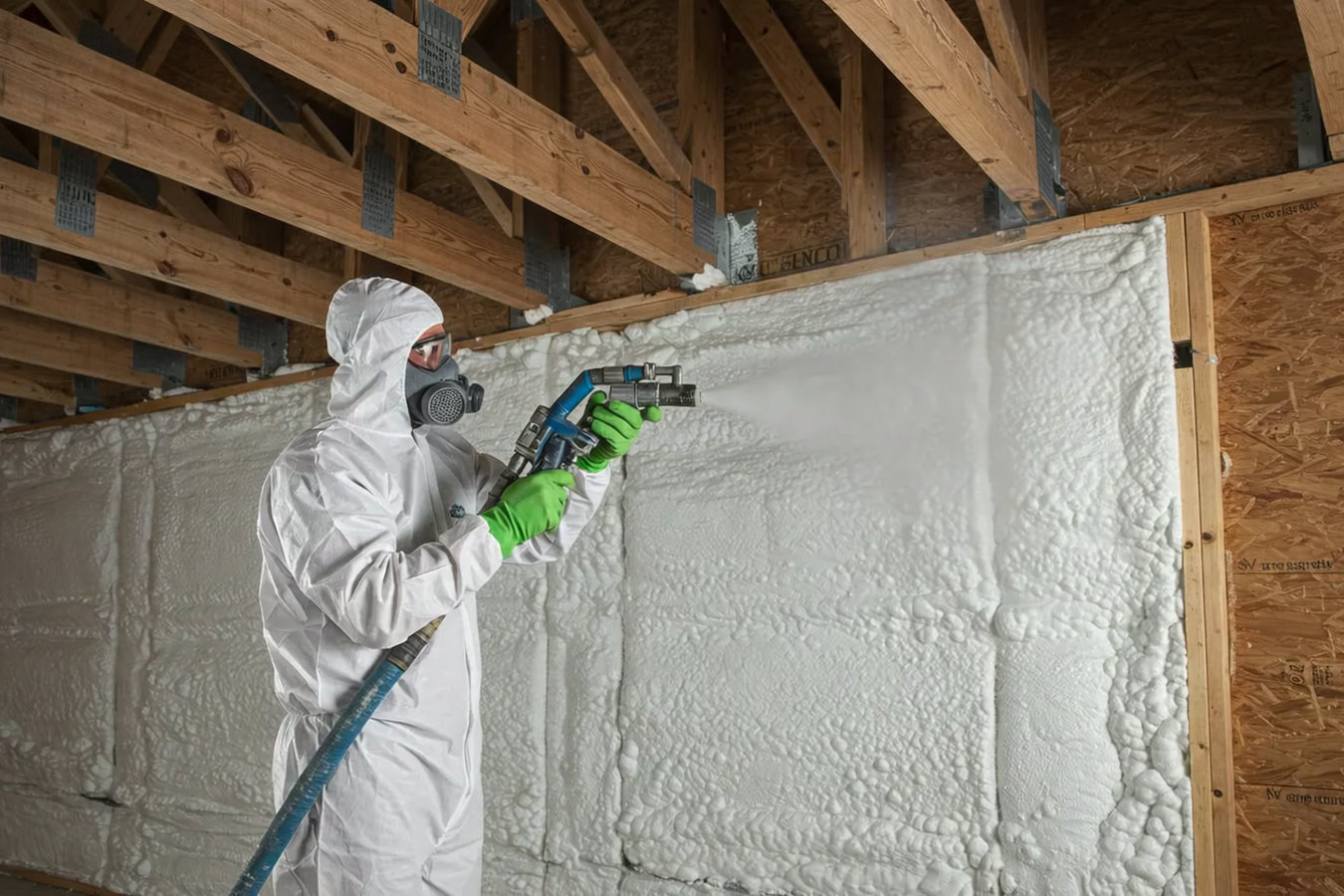
Sugarloaf Shores homes on canal lots face unrelenting salt air and humidity that breaks down conventional insulation faster than most homeowners expect. Closed-cell spray foam bonds to concrete block and wood framing, seals every air gap, and acts as its own vapor barrier - making it the most durable option for this coastal environment. See how our spray foam insulation service is installed in Lower Keys homes like yours.
Metal roofs are the standard on Sugarloaf Key, and while they hold up well in storms, they conduct heat efficiently into your attic space on sunny afternoons. Upgrading attic insulation directly under that metal roof keeps the heat absorbed outside from radiating into your living areas and forcing your air conditioner to run longer throughout the hottest months.
Homes built on concrete pilings in Sugarloaf Shores have an exposed underfloor area that sits directly in humid, salty air moving off the canal. Insulating the floor system and encapsulating the underside of the home reduces moisture intrusion from below and makes first-floor rooms feel noticeably cooler without adding any load to your HVAC system.
Canal-front lots on Sugarloaf Key have high groundwater and constant moisture rising from the water below, which drives humidity up through any unprotected floor system. A properly installed vapor barrier beneath an elevated home or in the enclosed piling space slows that moisture movement before it reaches your flooring, subfloor framing, and interior air quality.
Many homes in Sugarloaf Shores have attics with metal roof structures and irregular framing that make batt insulation difficult to install properly. Blown-in loose fill conforms to the existing framing, fills corners and eave pockets, and can be added over existing insulation without removing what is already there - a fast, effective upgrade for attics that are under-insulated.
In a climate where outdoor air is warm and humid twelve months a year, uncontrolled air leaks through your attic floor, wall plates, and plumbing penetrations add moisture and heat load to your living space continuously. Air sealing those gaps before adding insulation is essential in Sugarloaf Shores, where the gap between indoor comfort and outdoor conditions is one of the widest in Florida.
Sugarloaf Shores sits at roughly Mile Marker 17 on the Overseas Highway - deep in the Lower Keys, where most lots back up to man-made canals that connect directly to the Gulf or Atlantic. Nearly every home in the neighborhood is built on concrete pilings to meet FEMA flood zone requirements, which means the underside of the structure is exposed to moving salt air and tidal moisture year-round. Conventional insulation contractors who work primarily on slab-on-grade homes in mainland Florida are not set up to address the specific moisture and access challenges that come with elevated piling construction. The Monroe County Property Appraiser data consistently shows waterfront values here well above $700,000 - homes where improper insulation work, or no insulation at all, translates directly into accelerated material degradation and higher long-term maintenance costs.
The building stock on Sugarloaf Key is predominantly concrete block structure (CBS) construction with metal roofing, both of which perform well in hurricanes but present specific insulation needs. CBS walls conduct heat and do not naturally provide meaningful R-value - adding insulation inside or outside the block assembly is necessary to achieve real cooling load reduction. Metal roofs, while durable, shed heat efficiently into the attic space on hot afternoons. Homes that were rebuilt or significantly repaired after Hurricane Irma in 2017 may have updated framing but still lack adequate insulation if that work was not part of the rebuild scope.
Our crew works throughout Sugarloaf Shores regularly, and we understand the local conditions that affect insulation work here. The elevated homes on this key require scaffolding or lifts for underfloor access that a standard attic-only job does not need, and we carry the equipment to do that work properly. Most of our permit applications for projects in this area go through the Monroe County Building Department, which handles unincorporated areas of the Keys including Sugarloaf Key.
Sugarloaf Shores is reachable via US-1, the Overseas Highway, which is the only road in or out of the Lower Keys. We travel this route regularly to serve homeowners from Sugarloaf Key through the rest of Monroe County. The neighborhood itself is quiet and mostly full-time residential - not a heavy vacation rental area - which means the homeowners we work with here tend to be invested in long-term quality rather than quick fixes. The Bat Tower on Sugarloaf Key is a local landmark that puts the area on the map, but the canal-front homes and the challenges they present are what bring our crew out here consistently.
We also serve neighboring Summerland Key to the northeast and Cudjoe Key just to the west - so if you have neighbors in those communities who need insulation work, we handle those jobs the same day or on back-to-back visits.
Reach us by phone or through the contact form on this page. We reply within one business day to schedule your on-site assessment - no cost, no commitment required to get a quote.
A technician visits your Sugarloaf Shores home to inspect the attic, underfloor area, and any other spaces you want treated. The written quote covers all labor, materials, and any permit fees that apply to your project - no surprises on the invoice.
Most Sugarloaf Shores insulation jobs are completed in a single day. For spray foam projects, you will need to vacate the home for two to four hours while the foam cures - your technician confirms the exact window with you in advance.
Before we leave, we walk through the work with you so you can see exactly what was done and where. If your project required a permit, we coordinate the inspection so you do not have to manage that step yourself.
We serve Sugarloaf Shores and the surrounding Lower Keys. No travel fees, no pressure, and a written quote before any work begins.
(645) 300-7168Sugarloaf Shores is a small waterfront neighborhood on Sugarloaf Key in Monroe County, situated at roughly Mile Marker 17 on the Overseas Highway between Key West and Marathon. Most lots in the community sit on man-made canals that connect to the open water, giving residents direct boat access from their backyards. The housing stock is almost entirely single-family homes built on concrete pilings, many with concrete block construction and standing seam metal roofs - the standard for Florida Keys residential building. With a population of roughly 1,000 to 1,500 people, it is a quiet, primarily owner-occupied community rather than a high-turnover vacation rental neighborhood. The historic Bat Tower on Sugarloaf Key, built in 1929 and listed on the National Register of Historic Places, is the most well-known landmark in the area.
Home values in Sugarloaf Shores are high for Monroe County, with many waterfront properties valued well above $700,000 and some exceeding $1 million. Residents tend to be long-term owners who invest in keeping their properties in good condition, and the community sits close enough to Key West for everyday errands while maintaining the quieter pace of the outer Keys. Neighboring Summerland Key is just to the northeast, and Big Coppitt Key lies to the east along US-1 - both areas we serve regularly alongside Sugarloaf Shores.
High-density foam providing superior insulation and moisture resistance.
Learn MorePrevents moisture damage and mold growth throughout your structure.
Learn MoreSalt air and canal-side humidity take a toll on insulation systems year-round. The sooner you address it, the more you save on cooling costs and long-term repairs.